Hi everyone, I’m Anchi Wu.
It’s been almost 10 years since I joined the company.
In the first few years, I was mostly learning—
understanding our products, the market, and what our clients actually care about. But it was in the later years that I really started to see how everything works behind the scenes, and where many of the problems actually come from.
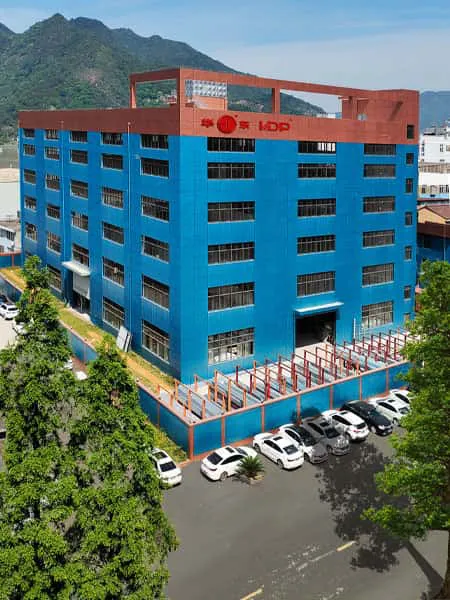
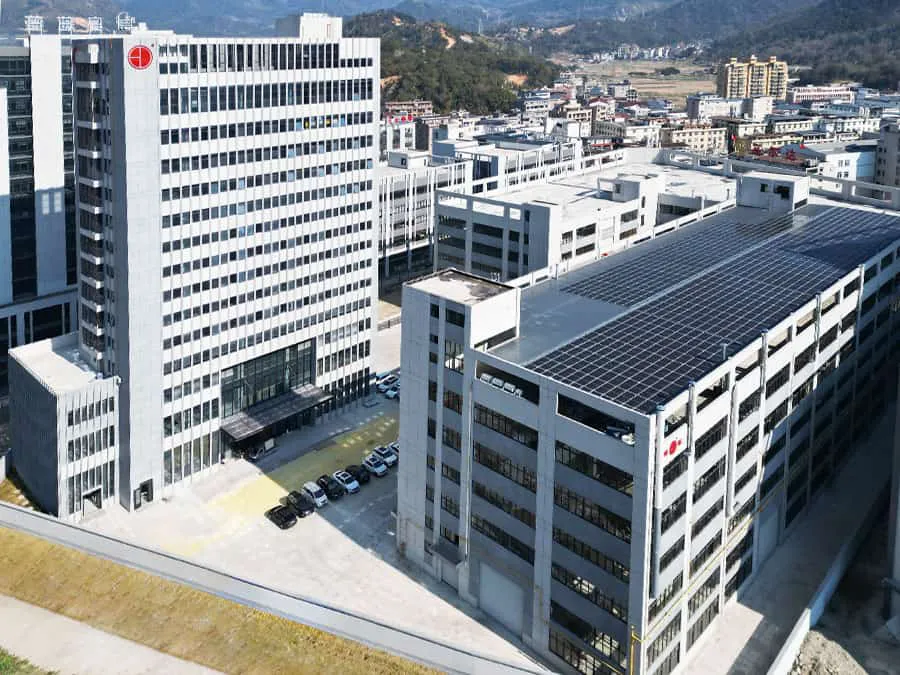
Office & Factory Buildings
Over time, I realized something quite important:
a lot of the things we used to take for granted… don’t really fit the future of our industry anymore.
Let me share a few moments that shaped this thinking.
When I first joined, I knew almost nothing—machines, materials, software, everything was new to me. I was sent to help with on-site installations.
And very quickly, I noticed something: some parts were just unnecessarily difficult to install.
My instinct was simple—can we redesign this to make it easier?
But the answer I got was: “This is how it’s always been done. Everyone in the industry does it this way.”
That made me wonder: just because something is common, does it mean it’s right?
Later, when I got more involved in design, this feeling became even stronger.
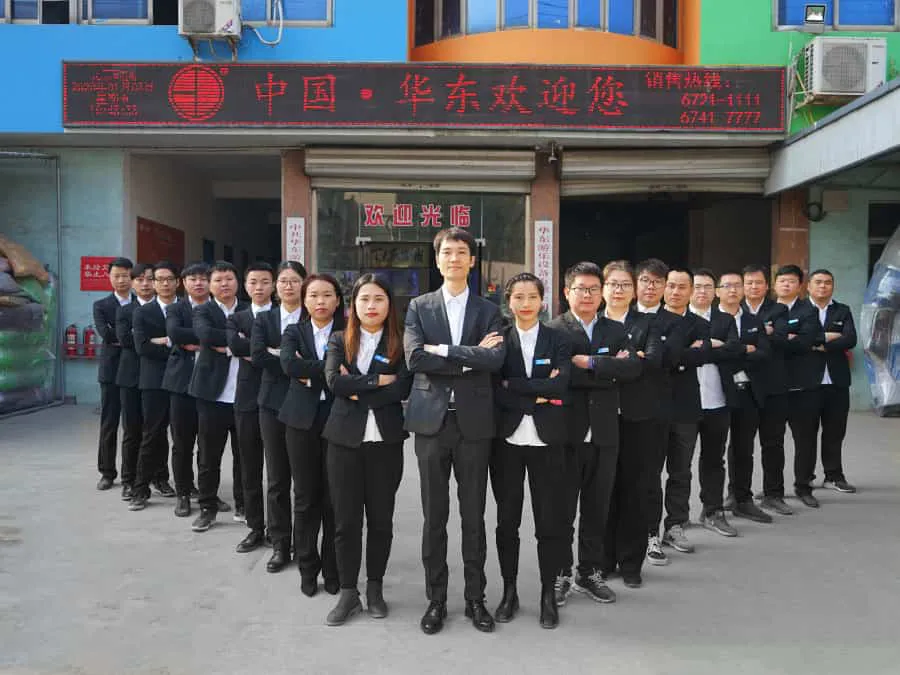
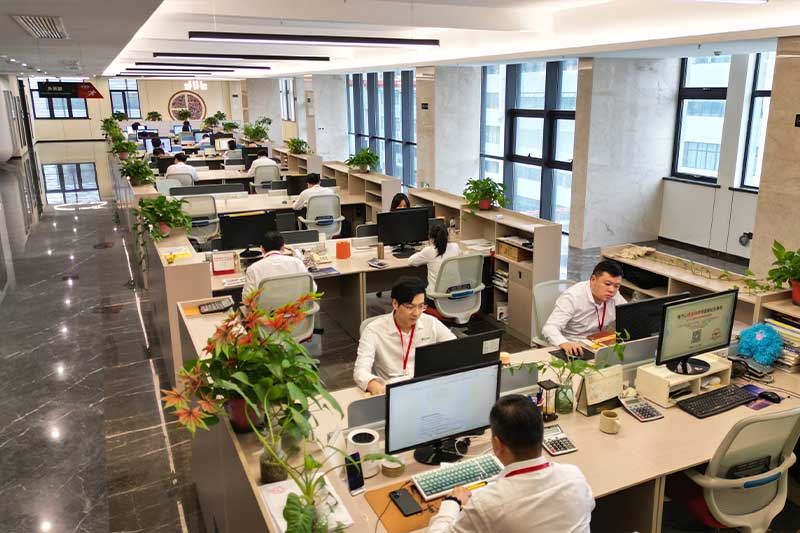
Sales Department
For example, with complex shapes—multi-directional curves, organic surfaces—many companies (including ours in the past) rely on manufacturing methods that aren’t really suitable.
If it’s mass production, maybe it works.
But for custom projects, it quickly becomes expensive and heavily dependent on craftsmanship. And even then, the final result often doesn’t truly match the original 3D design.
The thing is, today we actually have better options—like 3D printing or more thoughtful structural breakdowns.
But habits are hard to change.
Some of these outdated approaches are still widely used, and sometimes even written directly into project requirements or tender documents.
Let me give you a more everyday example.
At a trade show, a designer once told me that working with our team to adjust a slide—extending the exit or platform—took a lot of back-and-forth communication.
After we talked, it turned out the request itself was actually quite simple.
It could have been solved by extending the middle section—no need to redesign the connection or add extra structural support.
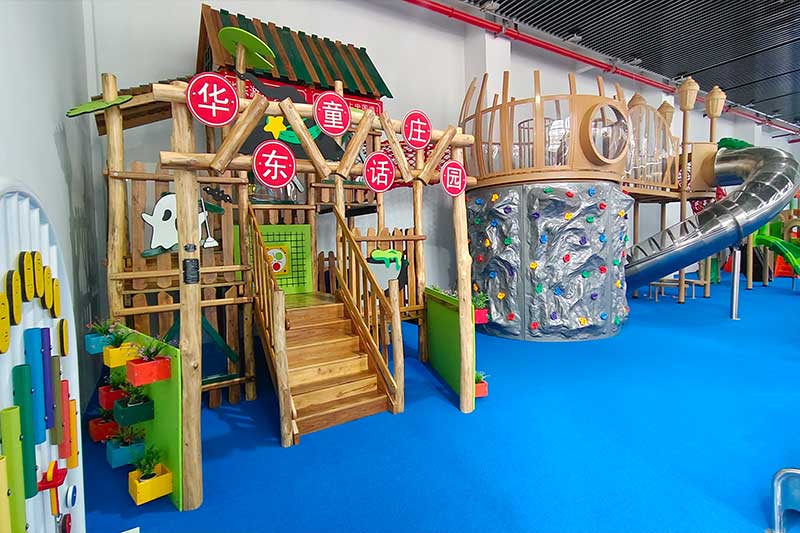
Sample Room
So what went wrong?
On one side, the sales team wasn’t fully familiar with the design logic, so they were cautious about structural changes.
On the other side, the design team didn’t clearly communicate the most efficient solution.
What should have been a quick adjustment turned into multiple rounds of discussion.
And honestly, this kind of situation happens more often than you’d think.
Over time, I realized the real issue isn’t capability—it’s disconnect.
Sales doesn’t fully understand design, so they don’t know what to ask.
Design doesn’t fully understand manufacturing, so they don’t know what works in reality.
And in between, time is lost, costs increase, and the client experience suffers.
So in recent years, we’ve been doing something that might sound simple, but is actually quite challenging:
We encourage everyone to step a little outside their own role.
Sales should understand basic design principles.
Designers should understand materials and manufacturing.
You don’t have to master everything—but you need to understand the boundaries.
Because when we truly understand each other’s work, we can respond to client needs much faster and more accurately—
what’s easy, what’s complex, what’s worth doing, and what can be done in a smarter way.
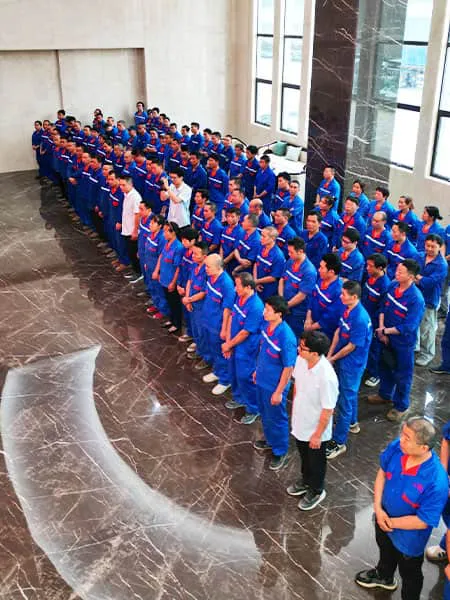
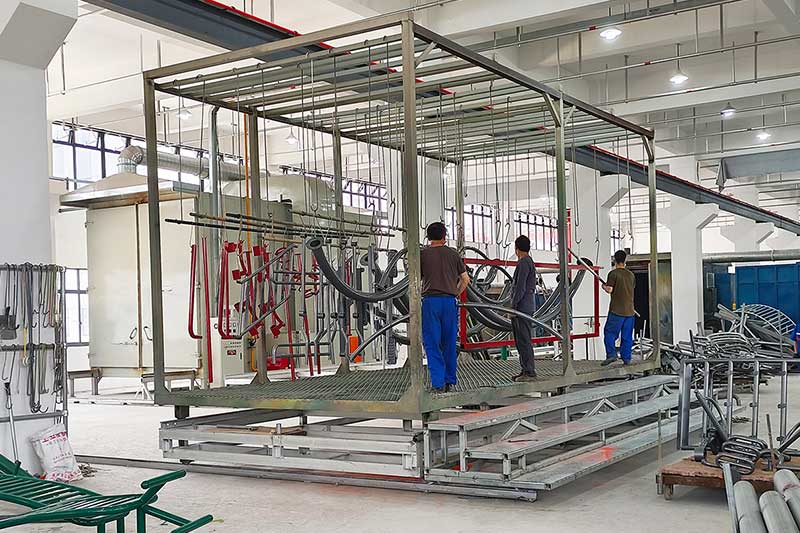
Production Workshop
Lastly, a quick thought on AI.
When I first started using ChatGPT, I had a very clear realization:
it’s powerful—but only if you ask the right questions.
If your question is vague, the answer will be average.
But if you provide clear context, constraints, and expectations, the output can be incredibly useful.
In many ways, it’s the same as what we do in our projects.
AIGC and AI tools are not something we can avoid—they’re becoming part of the future.
We’re actively exploring how to use them in a practical way, not just because they’re “impressive,” but because they can actually improve how we work.
I’ll share more about our experiences with AI in the future.
And if anything here resonates with you—whether it’s about our products, our approach, or how we think—feel free to reach out.
At the end of the day, what we’re trying to do isn’t complicated: we just want to do things in a more reasonable way, and in a way that truly respects our clients’ trust.




 Featured Products